
cogitate
differenter
cogitate
differenter

Julie's academic and personal interests include neuroscience, graphology, complexity science and criminology. Her career background can be found on LinkedIn: www.linkedin.com/in/juliebeesley

Julie's doctoral research applies complexity science to criminology, including organised crime and terrorism and prompts new ways of thinking.

At the heart of Julie's DNA is the pursuit of new knowledge by thinking differently. She is adept in creative and abstract thinking.
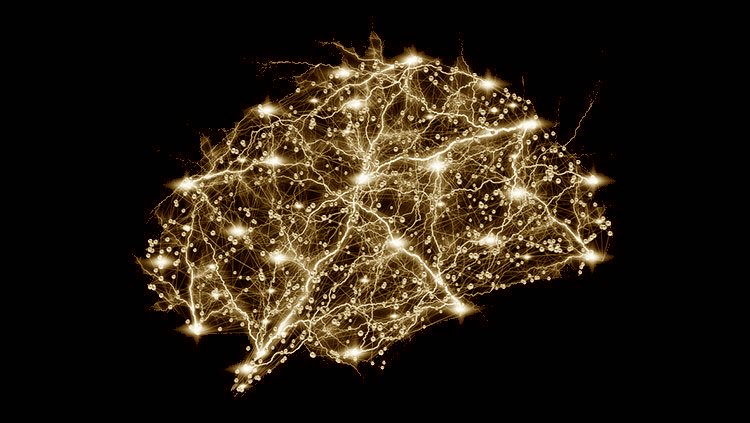
Neuroscience is the study of the nervous system, with a primary focus on the brain. Incredibly complex, our brains define who we are and what we do.

Graphology is the study of handwriting analysis. Handwriting is as unique as our DNA and is often called brain writing as it involves signals from the brain.

Complexity science is the study of complex systems and emergent phenomena using scientific principles. It spans many disciplines, including physics.

Criminology is the scientific study of crime and criminal behaviour. It is a multidisciplinary field that draws on different academic disciplines.

She has worked in over 30 countries across Europe, the Americas, Asia, the Middle East and Austalasia; and lived in four: UK, US, Switzerland and Australia.
We need your consent to load the translations
We use a third-party service to translate the website content that may collect data about your activity. Please review the details in the privacy policy and accept the service to view the translations.